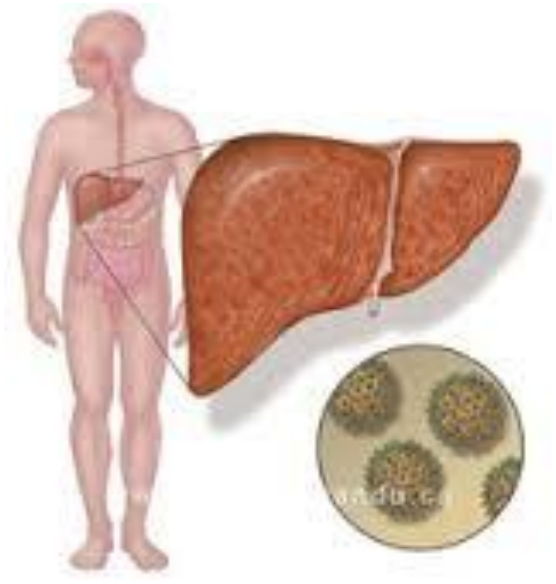
Only half of Americans identified as ever having had hepatitis C received follow-up testing showing that they were still infected, according to a Centers for Disease Control and Prevention analysis of data from a multi-area study published today in the CDC report Vital Signs.
"Many people who test positive on an initial hepatitis C test are not receiving the necessary follow-up test to know if their body has cleared the virus or if they are still infected," said CDC Director Tom Frieden, M.D., M.P.H. "Complete testing is critical to ensure that those who are infected receive the care and treatment for hepatitis C that they need in order to prevent liver cancer and other serious and potentially deadly health consequences." Testing for hepatitis C includes a blood test, called an antibody test, to determine if an individual has ever been infected with the virus. For people with a positive antibody test result, a follow-up test – called an RNA test – should be given to determine whether they are still infected so they can get needed care and treatment.
A small number of people with antibody-positive tests will have cleared the infection on their own, but most people with hepatitis C (about 80 percent) remain infected and can go on to develop significant health problems.
For the Vital Signs study, researchers looked at data from eight areas across the nation funded by CDC to conduct enhanced surveillance for hepatitis C virus infection. Of the hepatitis C cases reported in these areas (i.e., those cases with antibody-positive results), only 51 percent of the cases also included a follow-up (RNA) test result that identified current infection. Without follow-up testing, the other half are likely unaware if they are currently infected and therefore cannot get appropriate medical care.
Data included in this analysis also underscore the severe impact of hepatitis C among baby boomers. In the eight areas studied, 67 percent of all reported cases of current infection were among those born from 1945 through 1965. Deaths among people with hepatitis C also were more common among those born during these years (accounting for 72 percent of all reported deaths).
"Hepatitis C has few noticeable symptoms, and left undiagnosed it threatens the health of far too many Americans – especially baby boomers," said John Ward, M.D., director of CDC's Division of Viral Hepatitis. "Identifying those who are currently infected is important because new effective treatments can cure the infection better than ever before, as well as eliminate the risk of transmission to others."
Overall, approximately 3 million Americans are infected with hepatitis C and up to 3 out of 4 do not know they are infected. The vast majority of those affected are baby boomers, or those born from 1945 through 1965. Left untreated, hepatitis C can cause serious liver damage, including liver cancer. Hepatitis C is a leading cause of liver cancer and the most common indication for liver transplants. In fact, liver cancer is the fastest-rising cause of cancer-related death in the United States. Deaths from hepatitis C have nearly doubled over the past decade, now accounting for more than 15,000 deaths each year.
In light of increasing evidence that many patients are not receiving the follow-up test, as well as recent changes in testing technologies and the availability of new effective treatments for hepatitis C, CDC is issuing updated guidance for health care providers on hepatitis C testing. These guidelines reinforce the recommended process for hepatitis C testing and underscore the importance of providers conducting follow-up RNA testing for all patients with a positive antibody test result in order to help ensure people infected with hepatitis C are properly tested and identified.
CDC recommends that everyone in the United States born from 1945 through 1965 be tested for hepatitis C. CDC also recommends that other populations at increased risk for hepatitis C get tested, including those who received blood transfusions or organ transplants before widespread screening of the blood supply began in 1992, or those who have ever injected drugs.
Text: http://www.medicalnewstoday.com/releases/260283.php; Image: www.google.com/imagens (Accessed on May 9, 2013)
The overall subject of the article is the preoccupation with
A)
having follow-up tests for people who have been affected with hepatitis C.
B)
people who are infected with hepatitis C through drug addiction.
C)
the lack of treatment for patients who have been infected with hepatitis C.
D)
the increase of liver cancer due to mistreated hepatitis C.
Ideia central: sintetizar a preocupação que organiza o artigo.
Título, dados e recomendações destacam que muitas pessoas com teste inicial positivo não fizeram o exame complementar necessário para identificar infecção atual. Por isso, A resume o assunto principal. Uso de drogas, tratamento e câncer de fígado são aspectos relacionados, mas não substituem o foco na testagem de acompanhamento.
Resposta: A. Ao concluir uma leitura longa, retome título e tese central antes de escolher a síntese.
Estude com a MMI
Matemática e Física com direção.
Conheça os cursos com Ramon Siqueira e os materiais para a sua preparação.