INSTRUCTION – Read the following text carefully and then choose the correct alternatives that answer the questions.
Iron-Deficiency Anemia
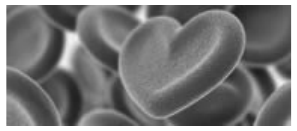
Iron is very important in maintaining many body functions, including the production of hemoglobin, the molecule in your blood that carries oxygen. Iron is also necessary to maintain healthy cells, skin, hair, and nails.
Iron from the food you eat is absorbed into the body by the cells that line the gastrointestinal tract; the body only absorbs a small fraction of the iron you ingest. The iron is then released into the blood stream, where a protein called transferrin attaches to it and delivers the iron to the liver. Iron is stored in the liver as ferritin and released as needed to make new red blood cells in the bone marrow. When red blood cells are no longer able to function (after about 120 days in circulation), they are re-absorbed by the spleen. Iron from these old cells can also be recycled by the body.
Am I at Risk?
Iron deficiency is very common, especially among women and in people who have a diet that is low in iron. The following groups of people are at highest risk for iron-deficiency anemia:
Women who menstruate, particularly if menstrual periods are heavy
Women who are pregnant or breastfeeding or those who have recently given birth
People who have undergone major surgery or physical trauma
People with gastrointestinal diseases such as celiac disease (sprue), inflammatory bowel diseases such as ulcerative colitis, or Crohn disease
Vegetarians, vegans, and other people whose diets do not include iron-rich foods (Iron from vegetables, even those that are iron-rich, is not absorbed as well as iron from meat, poultry, and fish.)
Children who drink more than 16 to 24 ounces a day of cow’s milk (Cow’s milk not only contains little iron, but it can also decrease absorption of iron and irritate the intestinal lining causing chronic blood loss.)
How Is Iron-Deficiency Anemia Diagnosed?
Iron-deficiency anemia is diagnosed by blood tests that should include a complete blood count (CBC). Additional tests may be ordered to evaluate the levels of serum ferritin, iron, total iron-binding capacity, and/or transferrin. In an individual who is anemic from iron deficiency, these tests usually show the following results:
Low hemoglobin (Hg) and hematocrit (Hct)
Low mean cellular volume (MCV)
Low ferritin
Low serum iron (FE)
High transferrin or total iron-binding capacity (TIBC)
Low iron saturation
The peripheral smear or blood slide may show small, oval-shaped cells with pale centers. In severe iron deficiency, the white blood count (WBC) may be low and the platelet count may be high or low.
How Is Iron Deficiency Treated?
Even if the cause of the iron deficiency can be identified and treated, it is still usually necessary to take medicinal iron (more iron than a multivitamin can provide) until the deficiency is corrected and the body’s iron stores are replenished. In some cases, if the cause cannot be identified or corrected, the patient may have to receive supplemental iron on an ongoing basis.
There are several ways to increase iron intake:
Medicinal Iron: The amount of iron needed to treat patients with iron deficiency is higher than the amount found in most daily multivitamin supplements. The amount of iron prescribed by your doctor will be in milligrams (mg) of elemental iron. Most people with iron deficiency need 150-200 mg per day of elemental iron (2 to 5 mg of iron per kilogram of body weight per day).
Intravenous Iron: In some cases your doctor may recommend intravenous (IV) iron. IV iron may be necessary to treat iron deficiency in patients who do not absorb iron well in the gastrointestinal tract, patients with severe iron deficiency or chronic blood loss, patients who are receiving supplemental erythropoietin, a hormone that stimulates blood production, or patients who cannot tolerate oral iron.
Blood Transfusions: Red blood cell transfusions may be given to patients with severe iron-deficiency anemia who are actively bleeding or have significant symptoms such as chest pain, shortness of breath, or weakness. Transfusions are given to replace deficient red blood cells and will not completely correct the iron deficiency. Red blood cell transfusions will only provide temporary improvement. It is important to find out why you are anemic and treat the cause as well as the symptoms.
What Are the Signs and Symptoms of Iron-Deficiency Anemia?
Symptoms of iron-deficiency anemia are related to decreased oxygen delivery to the entire body and may include:
Being pale or having yellow “sallow” skin
Unexplained fatigue or lack of energy
Shortness of breath or chest pain, especially with activity
Headache, especially with activity
Sore or smooth tongue
Brittle nails or hair loss
Source: American Society of Hematology (http://www.hematology.org/Patients/Anemia/Iron-Deficiency.aspx.
Accessed on Oct 30th, 2014. (Edited)
It’s CORRECT to say about the groups of people that are at highest risk for iron-deficiency anemia:
A)
People with inflammatory bowel diseases are not at risk.
B)
It’s much more frequent among women who are on a diet.
C)
A child who drinks 22 ounces a day of cow’s milk is at risk.
D)
Vegans don’t have anemia if they consume iron-rich vegetables.
Versão não informada — Prova A; conforme errata de inglês.
Ideia central: relacionar um valor à faixa indicada no texto.
O artigo inclui crianças com consumo elevado de leite de vaca entre os grupos de risco e menciona a faixa de 16 a 24 onças por dia. O valor de 22 onças em C é o exemplo esperado dentro dessa referência. As outras opções negam riscos citados ou afirmam proteção absoluta.
Resposta: C. O intervalo do texto é aproximado e não deve ser convertido, pela questão, em limite diagnóstico individual exato.
Estude com a MMI
Matemática e Física com direção.
Conheça os cursos com Ramon Siqueira e os materiais para a sua preparação.