Inglês · A Head Injury Can Be Difficult to Diagnose
Nesta questão
Enunciado
TEXT 2
A Head Injury Can Be Difficult to Diagnose
Photo: https://www.google.com/search?tbm=isch&q=head%20injury Medical Author: Benjamin C. Wedro, MD, FAAEM Medical Editors: Melissa Conrad Stöppler, MD
Head Injury Overview
Traumatic head injuries are a major cause of death, and disability but it might be best to refer to the damage done as traumatic brain injury.
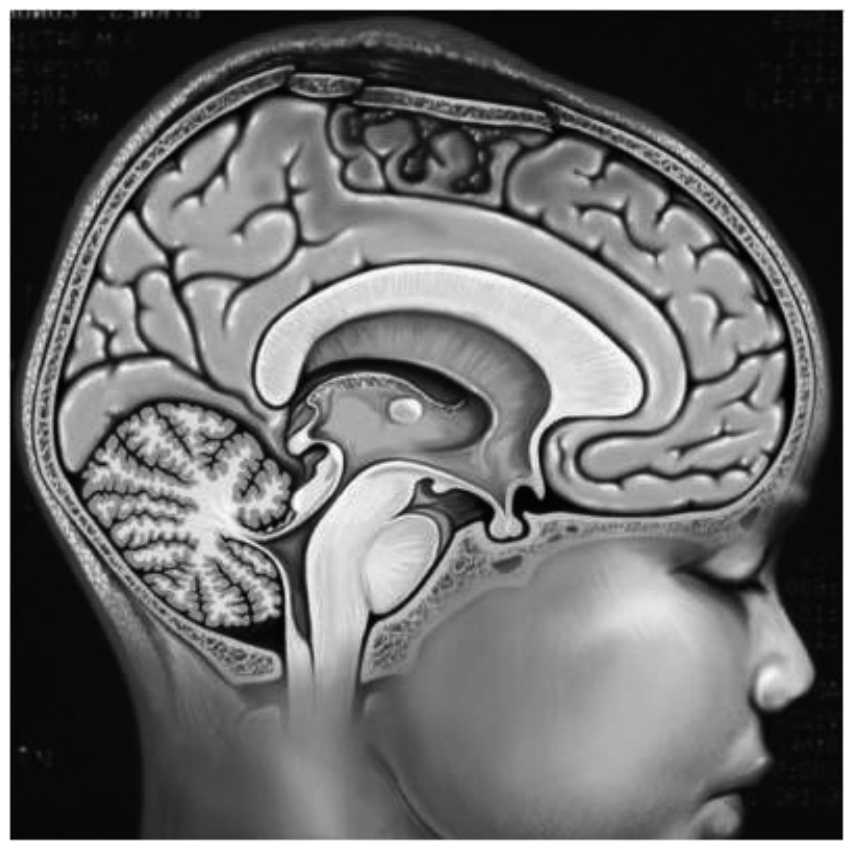
The purpose of the head, including the skull and face, is to protect the brain against injury. In addition to the bony protection, the brain is covered in tough fibrous layers called meninges and bathed in fluid that may provide a little shock absorption.
When an injury occurs, loss of brain function can occur even without visible damage to the head. Force applied to the head may cause the brain to be directly injured or shaken, bouncing against the inner wall of the skull. The trauma can potentially cause bleeding in the spaces surrounding the brain, bruise the brain tissue, or damage the nerve connections within the brain.
Caring for the victim with a head injury begins with making certain that the ABCs of resuscitation are addressed (airway, breathing, circulation). Many individuals with head injuries are multiple trauma victims and the care of their brain may take place at the same time other injuries are stabilized and treated.
Skull Fracture
The skull is made up of many bones that form a solid container for the brain. The face is the front part of the head and also helps protect the brain from injury. Depending upon the location of the fracture, there may or may not be a relationship between a fractured skull and underlying brain injury. Of note, a fracture, break, and crack all mean the same thing, that the integrity of the bone has been compromised. One term does not presume a more severe injury than the others. Fractures of the skull are described based on their location, the appearance of the fracture, and whether the bone has been pushed in.
Location is important because some skull bones are thinner and more fragile than others. For example, the temporal bone above the ear is relatively thin and can be more easily broken than the occipital bone at the back of the skull. The middle meningeal artery is located in a groove within the temporal bone. It is susceptible to damage and bleeding if the fracture crosses that groove.
According to the text, as far as injuries are concerned:
A)
a crack does not compromise the integrity of the bone.
B)
a crack may have the same impact as a fracture.
C)
a fracture means a more severe injury than a crack.
D)
the meningeal artery is always injured in a fracture.
Fonte: FUNDEP · FAME 2015/1 · Questões objetivas.
Questões objetivas
Resolução comentada
Gabarito: alternativa B.
Versão não informada — Prova A.
Ideia central: compreender equivalência terminológica.
O texto explica que “fracture”, “break” e “crack” indicam comprometimento da integridade do osso. Usar um termo em vez de outro não determina sozinho maior gravidade. A alternativa B é compatível com essa explicação.
Resposta: B. A lesão da artéria depende da localização da fratura; não ocorre obrigatoriamente em todas elas.
Estude com a MMI
Matemática e Física com direção.
Conheça os cursos com Ramon Siqueira e os materiais para a sua preparação.